
There’s a moment on every great road trip. It usually hits somewhere between the third hour and the first glimpse of something genuinely jaw-dropping, when everyone in the car goes quiet. Not bored quiet. Awestruck quiet. That’s the moment you realize you live in one of the most spectacular road trip regions in the entire country, and you should probably do this more often. Here’s how to pull off a summer road trip worth talking about all year.
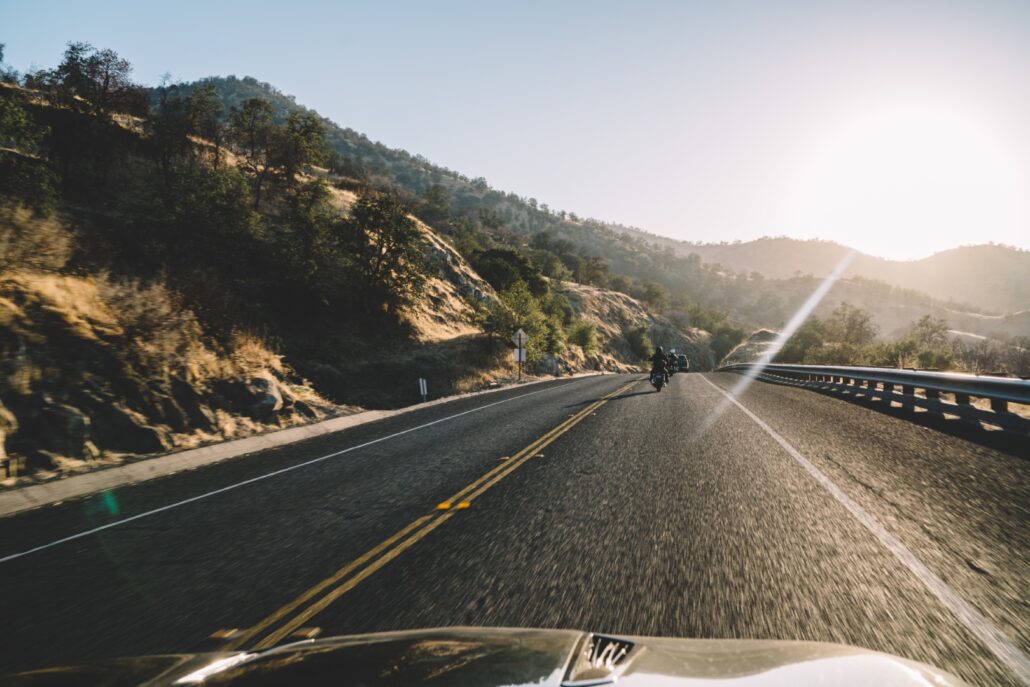
Start with a route, not a destination
The biggest mistake most road trippers make is planning around a single destination and treating everything in between as the commute. Flip that thinking. Around here, the drive itself is often the best part. Pick a general direction, identify two or three anchor stops, and leave the rest loose. Some of the most memorable moments on a road trip are the ones nobody planned: the roadside waterfall, the small-town diner with the inexplicably great pie, the pullout with the view that made everyone get out of the car.
Three routes worth putting on your radar
There’s no shortage of incredible drives close to home, but these three consistently deliver the goods for summer travel:
The Sawtooth Scenic Byway: Highway 75 from Shoshone up through Ketchum, Stanley, and into the Salmon River Valley is one of the most underrated drives in the American West. Jagged peaks, glassy alpine lakes, and the tiny mountain town of Stanley with its jaw-dropping backdrop. This one punches well above its weight. Plan a night in Stanley if you can; the dark skies alone are worth it.
Glacier to Waterton: Going-to-the-Sun Road through Glacier National Park is a bucket-list drive for a reason, but extend it north across the Chief Mountain border crossing into Waterton Lakes National Park in Canada and you’ve got a two-country adventure that most people never think to do. Book your road entry to Glacier in advance, because timed entry fills up fast in summer.
The Cascade Loop: A 440-mile loop that takes you through mountain passes, orchard country, the funky little town of Winthrop, North Cascades National Park, and back through wine country. It’s genuinely hard to pick a bad stretch of this drive. Most people do it over three or four days, but even a two-day version is worthwhile.
The packing list that actually matters
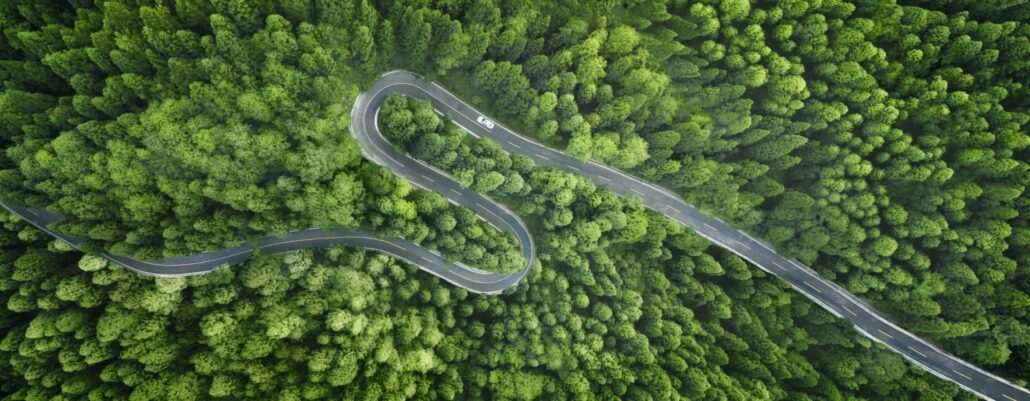
Forget the seventeen-item packing guides. Here’s what genuinely makes or breaks a road trip up here:
- A paper map or downloaded offline maps. Cell service disappears fast once you get into mountain passes and river canyons. Don’t trust your phone’s navigation in the backcountry.
- A cooler worth trusting. Gas station food gets old fast. A good cooler stocked with real food (sandwiches, fruit, cold drinks) changes the whole vibe of the drive.
- Layers for everyone. Summer temperatures can swing 40 degrees between a valley floor and a mountain pass. Pack a fleece even if it’s 90 degrees when you leave the driveway.
- A National Parks pass if you’re hitting more than one park. At $80 for the year, it pays for itself immediately and works across all federal lands.
- Cash. Small towns, roadside stands, and campground hosts often don’t take cards. A hundred dollars in cash has saved more road trips than any app.
- A real first aid kit and a tire plug kit. Rural roads out here can be rough. Both of these have ended potential disasters for experienced travelers.
How to keep kids from losing their minds (and so will you)
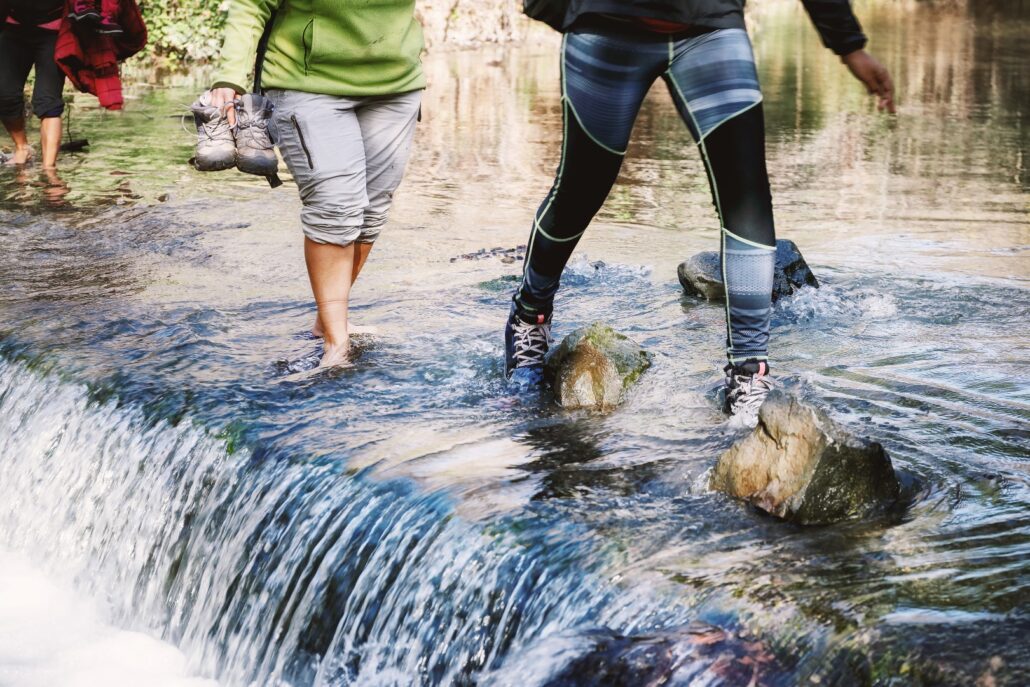
Road trips with kids live or die by the quality of the stops, not the length of the drive. A general rule: never go more than two hours without getting everyone out of the car to do something, even if it’s just throwing rocks in a river for ten minutes. This part of the country is perfect for this because there’s almost always something worth stopping for within a two-hour stretch. Build your driving days around three or four stops, not just a start and an end point, and the whole trip gets easier.
A few other things that work: a physical road trip journal where kids can draw or write about each stop (screens off, memories on), a “trip bingo” card with things to spot out the window, and a rule that whoever spots a cool animal gets to pick the next snack. Low bar to entry. Surprisingly effective.
Where to sleep: the honest breakdown
Campgrounds are the classic choice and often the best one. Waking up outside on a summer morning out here beats most hotel experiences outright. Book popular campgrounds (anything near Glacier, the Sawtooth, or North Cascades) months in advance through Recreation.gov. Dispersed camping on national forest land is free and often spectacular, but requires more planning and self-sufficiency.
Small-town motels and inns often have more character than their price tag suggests. A $90 motel in Stanley or Winthrop is genuinely charming in a way that a $250 chain hotel in a city is not. Embrace them.
Vacation rentals work well for families who want a kitchen, laundry, and space to spread out. They’re especially worth it for a two- or three-night anchor stop in the middle of a longer trip.
The underrated joy of the no-plan day
If your trip is four days or longer, try leaving one full day completely unscheduled. No campsite to reach, no reservation to make, nowhere to be. Wake up and ask: what does everyone actually feel like doing? On a long road trip, that unstructured day usually produces the story everyone tells afterward. The spontaneous hike, the swimming hole nobody knew about, the conversation over a long lunch in a town you’d never heard of before you drove through it.
The best road trips reward people who show up without a rigid plan and stay curious. The best version of your trip probably hasn’t been written in any travel guide.
Summer around here is finite and genuinely extraordinary. A road trip doesn’t have to be a two-week epic to be worth it. A long weekend with a loose route and a full cooler is enough to remind you why you live somewhere this good. Load up the car. The road is waiting.