Don't Let Your Pipes Freeze: A November To-Do List for Hose Bibs, Sprinklers and Crawl Spaces
You know the November morning. The windshield is covered in frost, the dog won't leave the porch, and you're scraping ice off the car with a library card because the real scraper is still in the garage. It's a sure sign that winter is coming to Idaho, whether you're in Coeur d'Alene, Boise, Twin Falls or Idaho Falls.
Most of the state has had its first frost by now. In some areas that came back in September. The deeper freezes are next, and that's when water lines you forgot about can turn into a big repair bill. The good news is that a free Saturday afternoon covers most of the work. Here's your list.
Why a Little Water Causes Big Trouble
Water expands when it freezes. If that happens inside a pipe, the pressure has nowhere to go, and something gives. Often the crack doesn't show up until the pipe thaws and water starts running into a wall, a ceiling or the crawl space. The pipes most at risk are outdoor faucets, sprinkler lines and any plumbing in unheated areas like crawl spaces, garages, attics and exterior walls.
Before you start, find your main water shutoff valve and make sure everyone in the house knows where it is. If something ever does go wrong, that valve is your best friend. A quick test turn now beats hunting for it with a flashlight while water sprays everywhere.
Your November Winterizing Checklist
1. Disconnect Every Garden Hose
This is the easiest job on the list, and it's the one people skip most. A hose left on an outdoor faucet traps water in the faucet. That water can freeze and crack the valve or the pipe behind it, even on "frost-free" faucets, which need to drain to work properly.
- Unscrew each hose, drain it and coil it up somewhere out of the weather.
- Take off splitters, timers and quick-connect fittings too.
- Store sprayer nozzles inside so they don't crack.
2. Shut Off and Drain Your Hose Bibs
Many homes have an indoor shutoff valve for each outdoor faucet. It's often in a basement, utility room or crawl space. If yours does, close the indoor valve, then open the outdoor faucet so the line can drain. Leave the outdoor faucet open for the winter so any water left inside has room to expand.
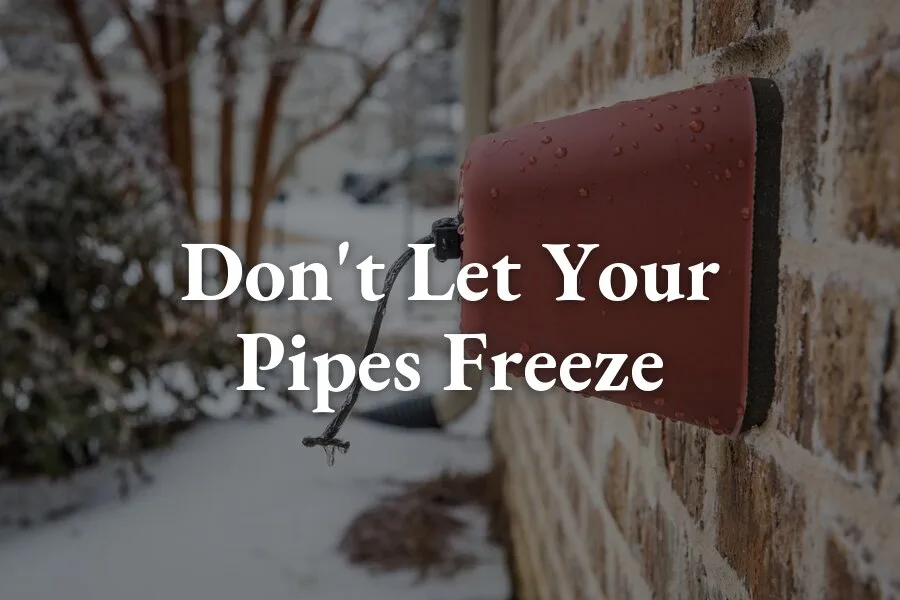
Not sure what kind of faucet you have? Look on the house where the faucet comes through the wall. A long-stem frost-free faucet usually has its valve deeper inside the house, but it still needs the hose off to drain. For extra protection, put an insulated foam faucet cover over each hose bib. They're cheap at any hardware store and take about ten seconds to put on.
3. Get Your Sprinklers Blown Out
Underground sprinkler lines, valves and the backflow preventer can all crack if water freezes inside them. Most systems need a "blowout" each fall, which uses compressed air to push water out of every zone.
Plenty of homeowners do this themselves, but it's a job where hiring someone pays off. Too much air pressure can damage pipes and sprinkler heads, and compressed air can be dangerous if you don't know the right steps. Here's the general order:
- Turn off the water supply to the irrigation system.
- Shut off the controller, or switch it to its "rain" or "off" mode.
- Blow out each zone one at a time with the right pressure for your system.
- Drain or insulate the backflow preventer and any above-ground pipes, as the manufacturer recommends.
If you use a pressurized irrigation system run by your city or irrigation district, check its schedule and any instructions it gives for the end of the season.
4. Insulate Exposed Pipes
Walk through any unheated space where pipes run, like the garage, crawl space, attic or under the kitchen sink on an outside wall. Any pipe you can see and reach is a candidate for insulation.
- Foam pipe sleeves are cheap, slip right over the pipe and can be cut to length with scissors.
- Heat tape or heat cable can help on pipes that freeze often. Choose a product listed by a recognized testing lab, follow the instructions exactly, and never wrap it over itself unless the instructions say that's okay.
- Seal the drafts. A gap where cold air blows across a pipe can freeze it even when the rest of the space is fine. Caulk or foam small gaps around pipes where they pass through walls.
5. Button Up the Crawl Space
Crawl spaces are one of the most common places for pipes to freeze in Northwest homes. Put on a headlamp and take a look around:
- Check that pipe insulation is still in place and hasn't been knocked loose by critters.
- Look for broken vent screens, missing access covers or gaps letting in cold air.
- If your home has foundation vents that are meant to be closed or covered in winter, now's the time. Homes are built differently, so if you're not sure what yours needs, ask a qualified contractor or home inspector.
- Watch for dampness, standing water or old leaks, and get them fixed before they get worse.
Cold Snap Habits That Help
When the forecast drops into the single digits or below zero, a few small habits go a long way:
- Keep the garage door closed if water lines run through the garage.
- Open the cabinet doors under kitchen and bathroom sinks on outside walls so warm air can reach the pipes. Move cleaning products out of reach of kids and pets first.
- Let a faucet drip on very cold nights if it's fed by pipes that are exposed or have frozen before. Even a trickle of moving water helps.
- Keep the thermostat steady day and night during a cold snap, rather than turning it way down.
- Heading out of town? Leave the heat on, no lower than 55°F, and ask a neighbor to check on the house. For a long trip, think about shutting off the main water valve.
What to Do If a Pipe Freezes Anyway
You turn on the faucet and get a trickle, or nothing at all. Don't panic. Here's what to do:
- Find the frozen section. Check pipes along exterior walls, in the crawl space or anywhere you saw frost.
- Open the faucet. As the ice melts, running water helps clear the rest of the line.
- Warm the pipe gently. A hair dryer, a space heater kept a safe distance away or warm towels wrapped around the pipe can all work. Start near the faucet and work back toward the frozen spot.
- Never use an open flame. No torches, propane heaters or charcoal stoves. They're a serious fire and carbon monoxide hazard.
- Keep warming until full pressure comes back, then check other faucets in the house to see if any others froze.
If you can't reach the frozen spot, can't thaw it, or see a crack or leak, shut off the main water valve right away and call a licensed plumber. If water has reached anything electrical, stay away from it and call a professional. It's also a good idea to take photos and call your insurance agent to ask how your policy handles water damage.
A Little Prep Now, a Lot Less Stress Later
Winterizing your water lines isn't glamorous, but it's one of the best ways to take care of your home. An afternoon of pulling hoses, insulating pipes and checking the crawl space means you can spend the rest of the season on the fun stuff, whether that's skiing, sledding or staying in with hot cocoa.
And if you're thinking about selling in the next year or two, a well-maintained plumbing system is one less thing to worry about when the home inspector comes. If you ever need a recommendation for a trusted plumber or sprinkler pro in your area, just reach out. Stay warm out there, Idaho.